Application review
Capture platform, year, OE reference and wheel position before comparing available products. A precise starting point makes a technical conversation more productive.

From the first application question to repeat orders, organize the information needed to review a wheel-end requirement.
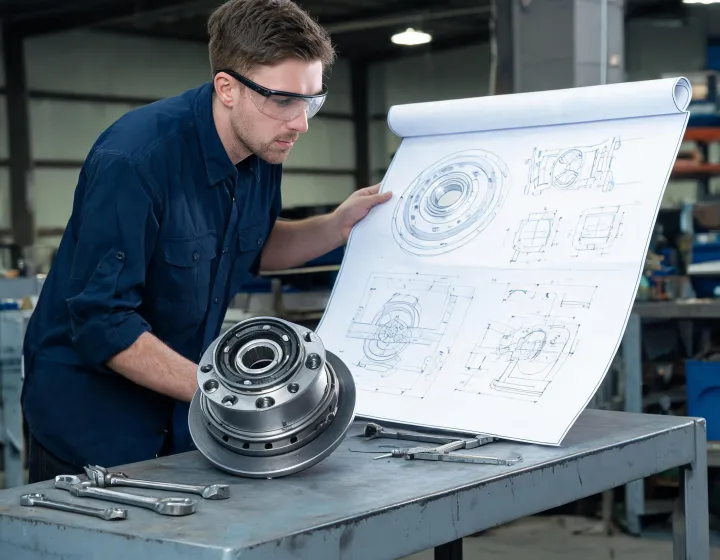
Capture platform, year, OE reference and wheel position before comparing available products. A precise starting point makes a technical conversation more productive.
Check dimensions, flange geometry, seal configuration and wheel-speed sensor interface. A visual similarity alone is not sufficient evidence of fit.
Identify which bearing, seal and installation components are needed for the intended service. Confirm the contents for each specific part before ordering.
Record the approved reference, revision and quantity assumptions so purchasing and maintenance teams can align future requests.
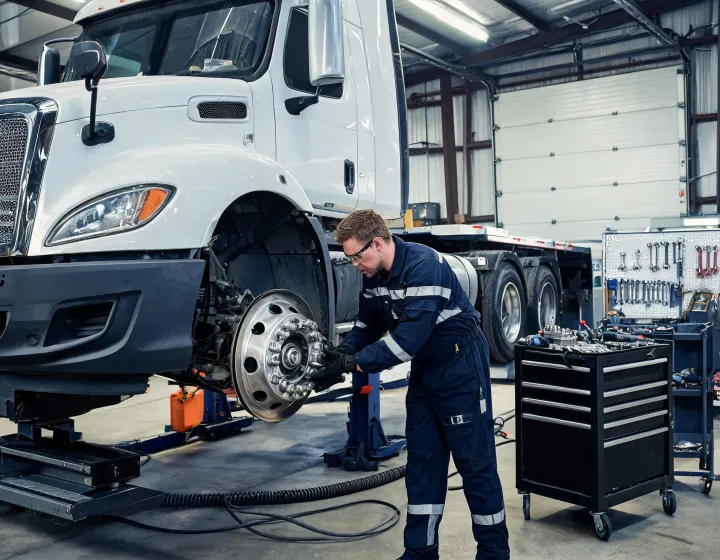
A maintenance team may need to consolidate several vehicle platforms into a manageable stock plan. Begin by listing the wheel positions, OE numbers and expected service windows for each vehicle group.
Review the proposed parts against the documented interface, then agree on the ordering units and packing details. The final decision should follow the vehicle maker's instructions and the verified product documentation.
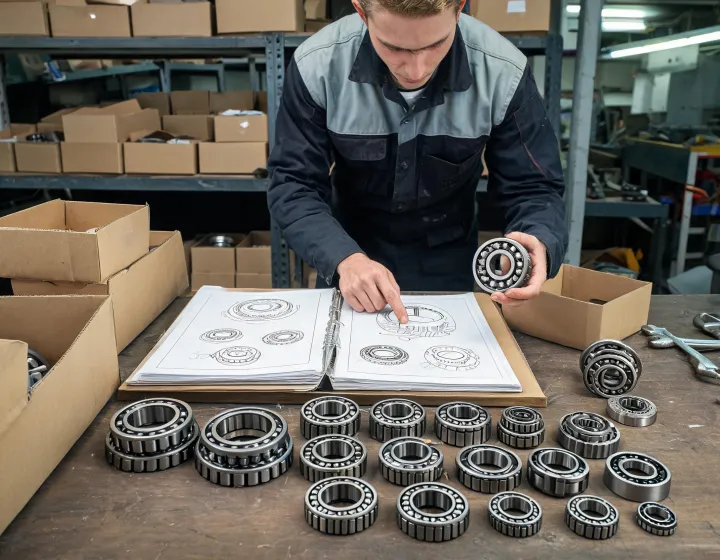
A distributor can organize inquiries by OE reference and wheel position while documenting whether a listing represents a bearing or a complete kit. Review the available product information before publishing a cross-reference and keep changes visible to the purchasing team.
Part identification, packaging units and the intended market should be agreed for the particular order. That makes the handoff between customer service and procurement easier to follow when the same reference is requested again.
Capture the requirement
Review the interface
Confirm kit contents
Plan the order
For a technical inquiry, identify the original equipment reference and the side and position of the wheel end. Measurements are useful when a reference is unavailable, but they should be taken using a consistent method and compared with the appropriate drawing. The sealing arrangement and sensor interface deserve particular attention because parts with similar dimensions can have different installation requirements.
For a supply inquiry, include the destination, quantity and requested delivery date. If orders recur, describe the expected cadence and any packaging or identification requirements. These details allow the commercial discussion to address practical handling as well as product selection.
Before installation, follow the vehicle manufacturer service instructions and the documentation supplied with the specific product. Proper tools, torque procedures and cleanliness are part of the service process; the correct bearing alone does not replace those requirements.
Tell us about the vehicle, dimensions and expected quantity. We can identify the information needed for the next review.