
JTEKT Koyo Bearings fleet solutions
Connect wheel-end parts planning with vehicle duty, workshop capacity and replacement cycles.
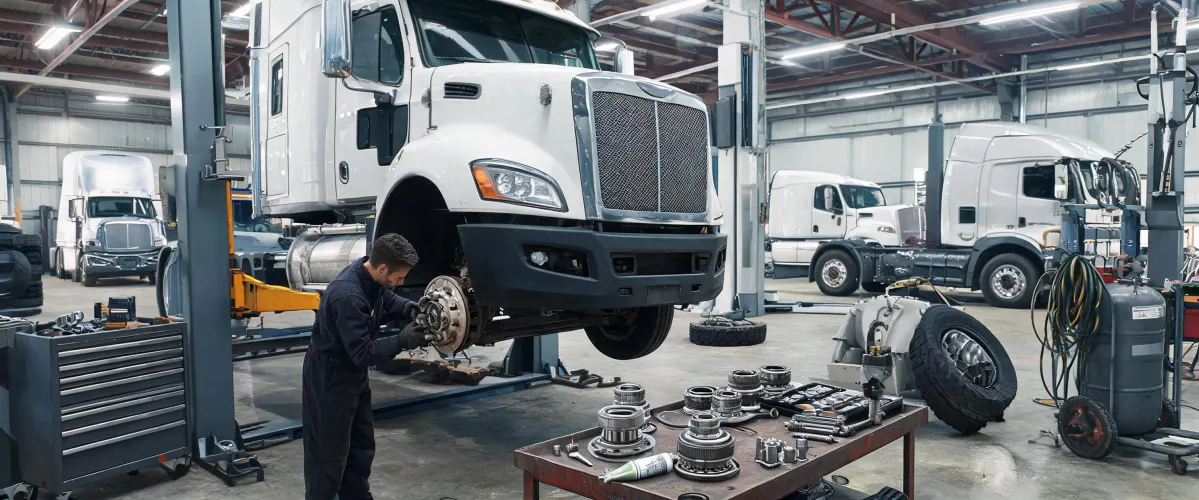
Build the procurement picture
| Planning input | What to document | Why it matters |
|---|---|---|
| Vehicle groups | Platform, year and wheel position | Distinguishes application boundaries |
| Operating duty | Load, route and environment | Frames service and inspection needs |
| Replacement cycle | Planned service dates and expected quantities | Supports purchasing and workshop coordination |
| Stock | Approved references and reorder points | Makes recurring requests easier to review |
Inventory decisions should reflect actual fleet records and the recommendations applicable to each vehicle. A single interval or part reference should not be assumed to fit every platform.
Fleet request checklist
- List the OE or cross-reference number and identify the front or rear position.
- Provide the operating load and environmental conditions relevant to the vehicle.
- Note bearing dimensions, seal configuration and sensor interface where available.
- Specify quantities, destination, packaging expectations and required delivery window.
- Identify the validation documents needed before a part can be approved.
When information is incomplete, identify the open item rather than assuming interchangeability. A drawing revision or a change in hardware can affect the service procedure and the resulting order.
Plan your next replacement cycle
A practical fleet plan begins with a reliable vehicle register. Group vehicles by platform and year, then record wheel position and the approved bearing or kit reference for each group. Where a fleet contains mixed configurations, flag uncertain references for review rather than merging them into a single stock line.
Maintenance history can help establish when to review stock levels and workshop capacity. Actual replacement timing should follow the relevant inspection results, operating conditions and vehicle manufacturer guidance. An indicative purchasing forecast is not a substitute for a maintenance decision.
When comparing supply proposals, consider packaging units, delivery locations and the identification needed at receipt. Keep changes to part references and drawing revisions visible to both the purchasing team and the workshop. This record makes it easier to investigate a discrepancy and prepare a later order.
Share your fleet list and the timing of the next maintenance window.
Discuss fleet supply